Bayer returned to profit in the second quarter, reporting net earnings of 219 million euros against a loss in the same period last year. Operating profit at the Leverkusen group rose to 827 million euros, after exceptional charges of 172 million euros, most of them legal.
The comparison that explains the result is the one between those charges and last year's. In the second quarter of 2025 the equivalent figure was 981 million euros, close to six times higher. Almost the whole swing from loss to profit is that line falling away, and most of it concerns the weedkiller Roundup, inherited with the American subsidiary Monsanto.
That is worth stating plainly, because a return to profit reads as a recovery and this is not one yet. Nothing in these numbers says the underlying business sold more or earned better. It says the company spent less on a legal problem it created for itself by buying Monsanto, and that a quarter with fewer settlements looks very different from a quarter with many. Litigation costs are lumpy by nature, which makes any single quarter a poor guide to the next.
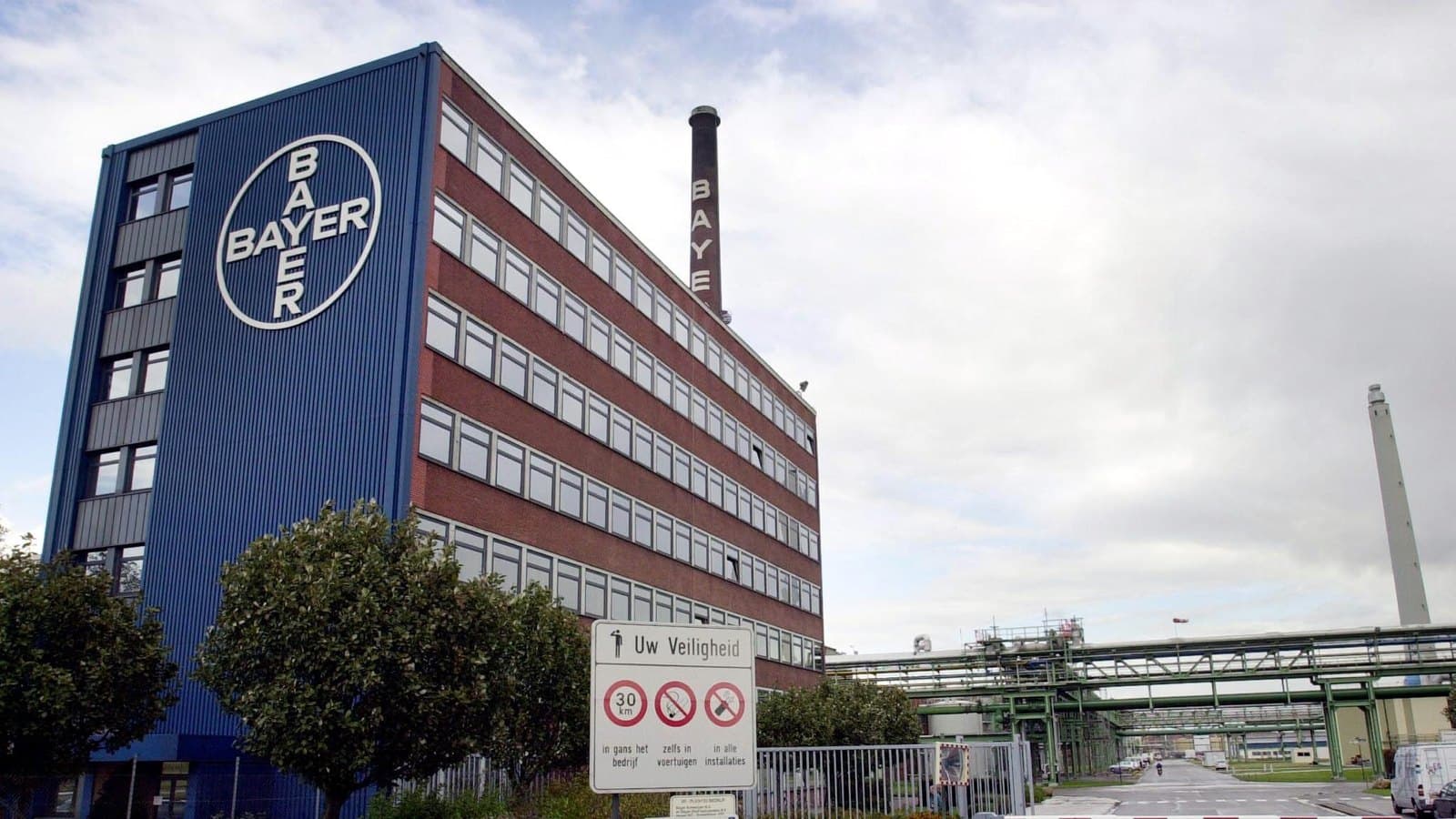
The Belgian interest is direct and rarely mentioned in coverage of the group's results. Bayer's Antwerp site is one of its largest production locations anywhere, sitting inside the chemical cluster on the Scheldt that is the closest thing this country has to an industrial centre of gravity. Decisions taken in Leverkusen about where capital goes land there.
That is the thing to watch over the next few quarters. A group under sustained legal pressure protects its balance sheet first, and capital investment is what gets deferred while it does. A cluster keeps its advantages only as long as the plants inside it are being reinvested in, and Antwerp's position depends on choices made by companies headquartered somewhere else.