
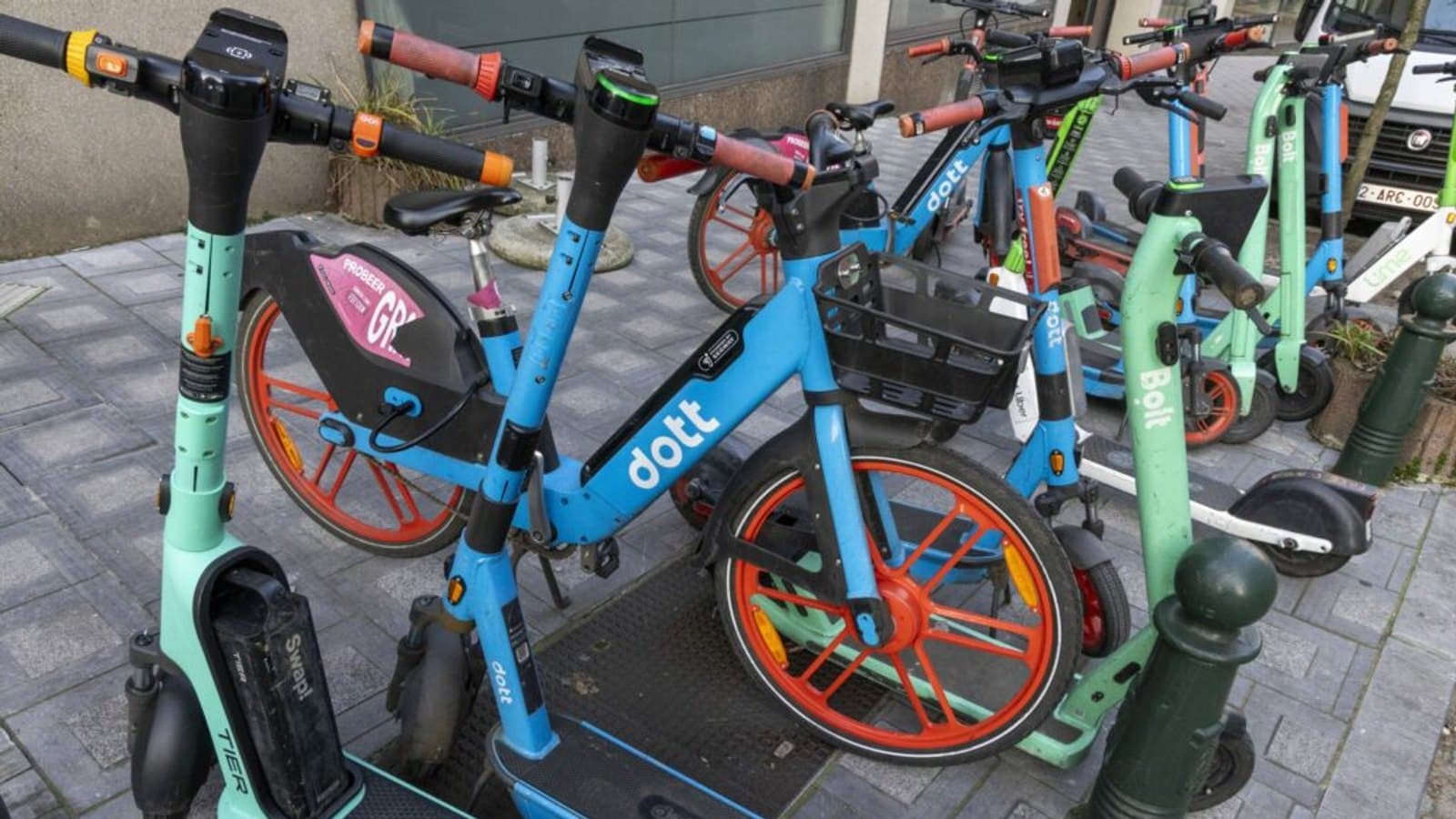
The Council of State declared the operating licences of the shared electric scooter and bicycle operators Voi, Dott and Bolt null and void in a ruling on Wednesday 30 July, in proceedings brought by Lime. Brussels Mobility has since written to the operators urging them to cease operations as soon as possible.
The timing is the awkward part. The region had already set 1 September as the end of the present arrangement, with a new tender to follow. The ruling removes the legal basis several weeks before that date, which turns an orderly handover into a gap, and a gap is harder to manage than a deadline.
A spokesman for Brussels Mobility, Francois Descamps, said a solution has to be found together with the operators. Voi has asked to be allowed to keep running until a new tender is issued. A meeting between the regional authorities and the operators is set for the middle of August, with a transitional phase pending a new ordinance among the options.
What makes this different from most licensing disputes is that the licence is attached to several thousand physical objects standing in the street. A permit that lapses on paper does not move a scooter. If operators stop, someone has to collect the fleets, and if they do not stop, the region is asking for compliance it no longer has a clean instrument to compel.
There is a lesson in it for the tender that follows. Brussels regulated shared mobility by handing out a small number of licences and setting fleet caps, which is a reasonable way to keep pavements clear and a fragile one when a court reads the process differently. Whatever replaces it will need to say what happens on the day a licence ends, because the city has now discovered that nobody had written that part down.