
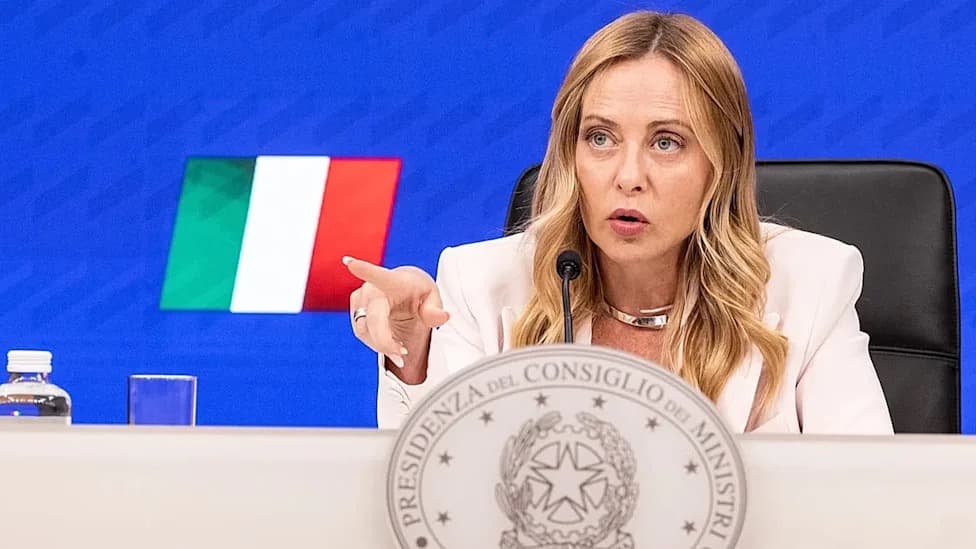
Italian Prime Minister Giorgia Meloni has written to European Commission President Ursula von der Leyen asking for more flexibility under the EU's fiscal rules, arguing that Italy's current spending limits leave too little room to help households and businesses cope with surging energy costs.
The letter, which Euronews says it has reviewed, points to the prolonged conflict in the Middle East as having pushed European energy markets into unusually tight territory, with oil prices up around 80 percent and gas prices climbing as much as 156 percent. Meloni argues that the net expenditure paths Italy agreed to under the EU's fiscal framework leave limited room to ease that burden on households and firms.
A revenue paradox at the heart of the problem
Italy carries one of the highest debt to GDP ratios in Europe, trailing only Greece, and remains under an excessive deficit procedure that requires it to follow a corrective spending path agreed with Brussels. Meloni's letter points to a particular bind this creates: higher inflation automatically boosts indirect tax revenue such as VAT, but EU rules treat using that extra revenue for energy relief as discretionary spending, which can trigger a breach of Italy's agreed spending limits even though the money did not come from new borrowing.
According to the letter, inflation sensitive spending already accounts for 20.4 percent of Italy's GDP, with a further 12 percent of GDP in other spending expected to come under pressure in 2027. Meloni has asked that the issue be taken up when EU finance ministers meet in Brussels on 9 October.