
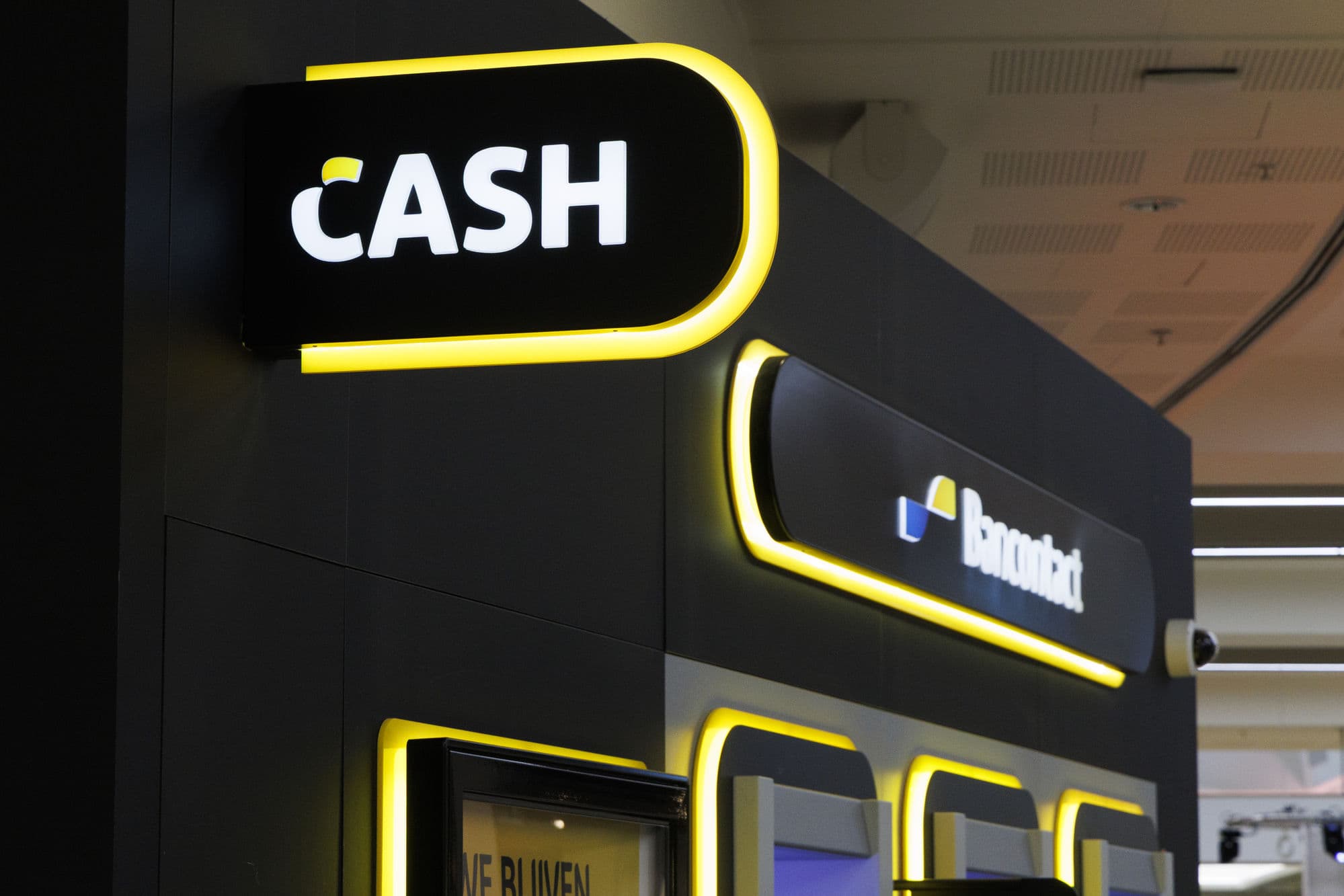
Belgian shoppers are finding it harder to pay with coins and notes. A new survey from the European Central Bank shows that just 81 percent of small and medium sized businesses in Belgium still accept cash, a sharp drop from 91 percent in 2024 and the second lowest rate anywhere in the eurozone.
Only Cyprus scored lower, with 76 percent of businesses there willing to take cash. Across the eurozone as a whole, acceptance actually edged up, from 90 percent in 2024 to 92 percent this year, leaving Belgium increasingly out of step with its neighbors.
Cards and phones close the gap
The ECB figures show cash is still the most widely accepted payment method across the currency bloc, ahead of bank cards at 88 percent and mobile payments at 68 percent. Mobile payments have grown the fastest of the three, nearly doubling from 36 percent two years ago as apps and contactless phone payments became routine at checkout counters.
Businesses that have stopped taking cash gave the ECB similar reasons wherever they were located. The most common complaint was that customers simply do not ask to pay in cash anymore. Many owners also pointed to the growing hassle of depositing and withdrawing cash at a bank branch, and some cited safety concerns about keeping notes and coins on the premises.
Belgian cafes and shops among the least willing
The gap between sectors is wide. Hospitality and retail businesses remain the most cash friendly across Europe, with 93 percent still accepting it. Belgium falls short of that average in both sectors. Restaurants and cafes here accept cash 80 percent of the time, the second lowest figure in the eurozone behind the Netherlands at 78 percent. Belgian retailers accept cash 83 percent of the time, tied with Austria for the lowest rate recorded.
Despite the decline, most Belgian business owners are not planning to abandon cash altogether. More than 90 percent told the ECB they intend to keep accepting it over the next five years, a far higher share than in Cyprus, where fewer than half of businesses expect to still take cash by then.
The findings add to a long running debate in Belgium over whether cash should remain a protected right for consumers, even as day to day habits at the till continue to shift toward cards and phones.