
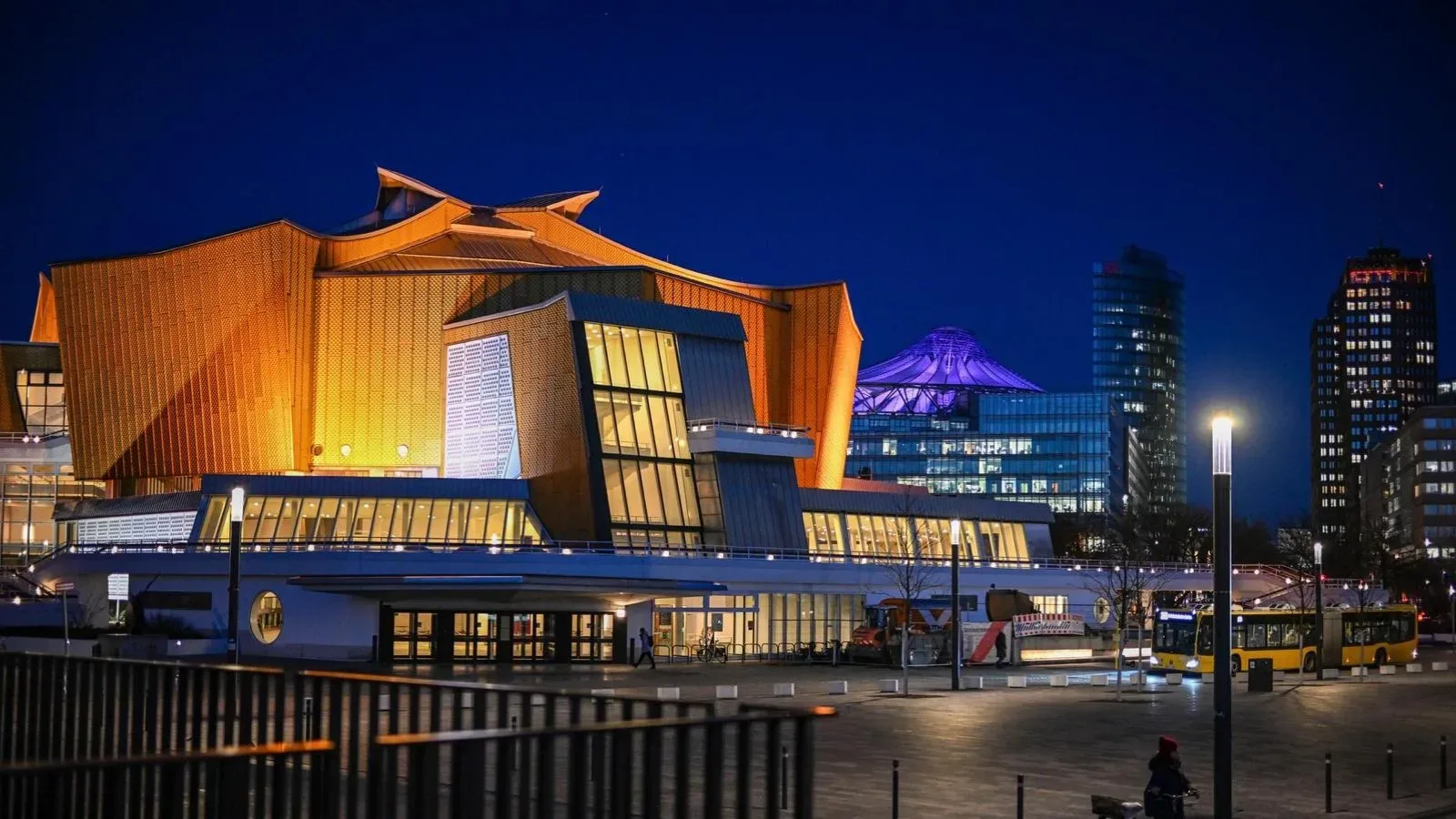
A distinguished programme of Italian, French and German opera brought together three international soloists and the Filharmonie Brno under the direction of Arkady Beryn.
BERLIN, GERMANY | 9 NOVEMBER 2026 — The OPERNGALA-NACHT, held on 2 November in the Great Hall of the Berlin Philharmonie, offered an extensive exploration of the operatic repertoire through the performances of soprano Alisa Medvedeva, tenor René Barbera and baritone Florian Sempey. 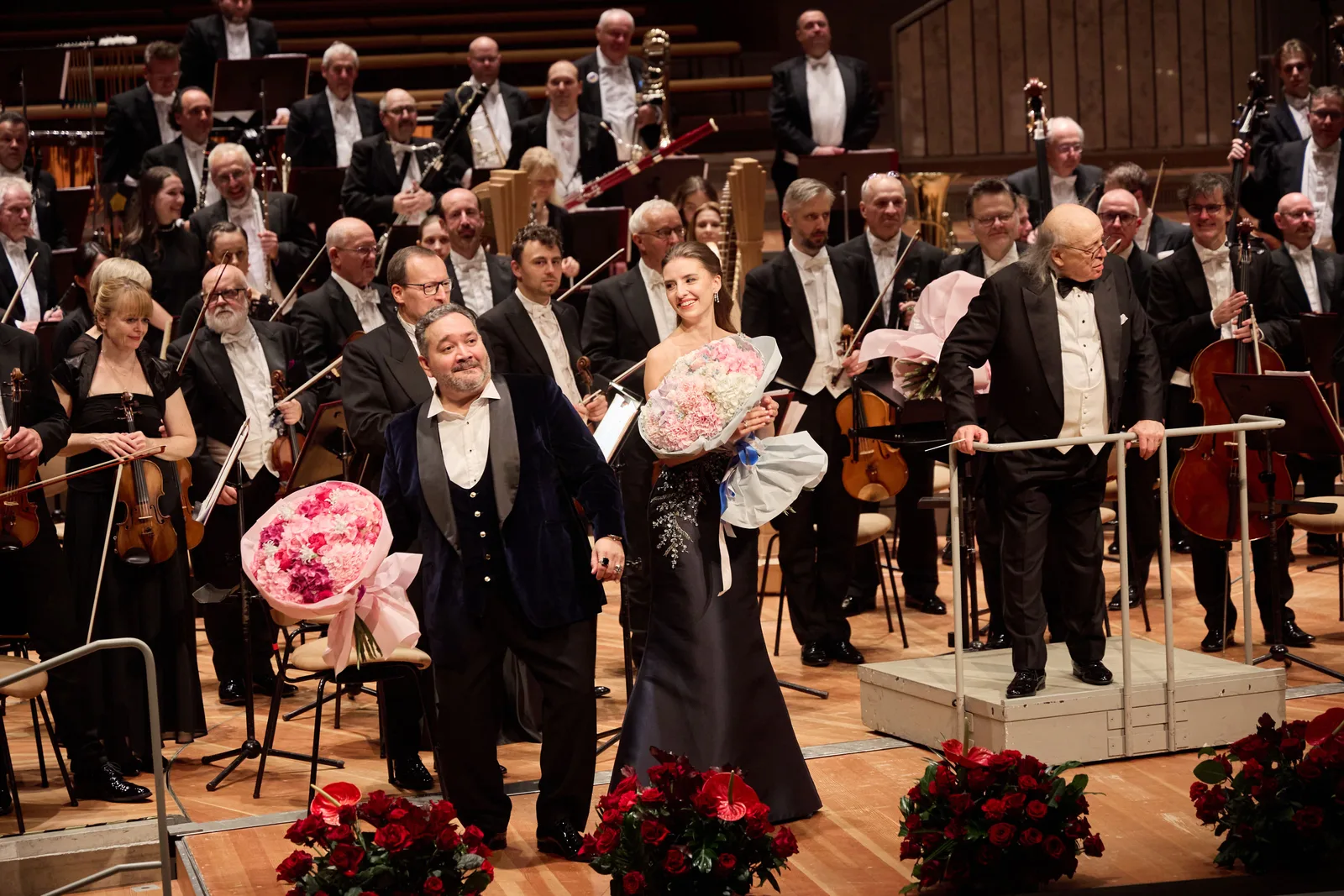 Accompanied by the Filharmonie Brno under Maestro Professor Arkady Beryn, the artists presented a programme combining vocal showpieces, dramatic arias and orchestral works. The programme's diversity provided each soloist with an opportunity to demonstrate individual vocal characteristics and interpretative strengths. Alisa Medvedeva distinguished herself through the warmth of her soprano, carefully controlled phrasing and sensitivity to melodic detail. Her selection of Puccini's "O mio babbino caro" and "Quando me’n vo’", alongside Lehár's "Meine Lippen, sie küssen so heiß", required different approaches to vocal colour and dramatic expression. She responded with an elegant interpretation that combined lyrical refinement with a confident theatrical presence.
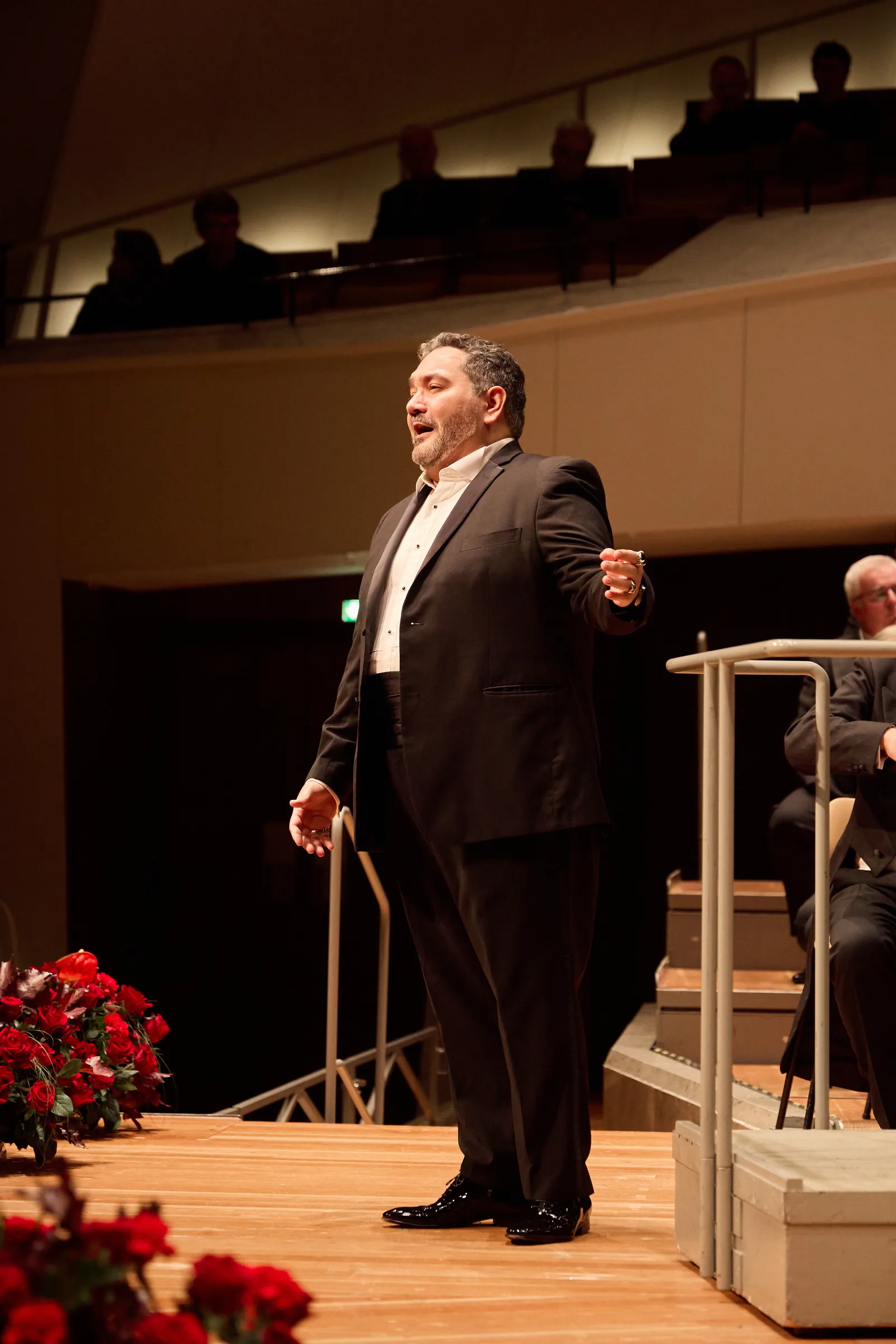 René Barbera's contribution was characterised by vocal projection, technical control and expressive flexibility. In "Che gelida manina" from Puccini's La bohème, he explored the lyrical and intimate qualities of the tenor repertoire. Verdi's "La donna è mobile" provided an opportunity for brilliance and rhythmic vitality, while Donizetti's "Una furtiva lagrima" highlighted the expressive possibilities of sustained melodic phrasing. Florian Sempey approached the baritone repertoire with a combination of vocal authority and dramatic instinct. His performance of the Toreador Song from Bizet's Carmen demonstrated a strong sense of character, while Rossini's "Largo al factotum" showcased his agility, articulation and ability to combine musical precision with theatrical humour. His interpretations brought a particularly lively dimension to the programme.
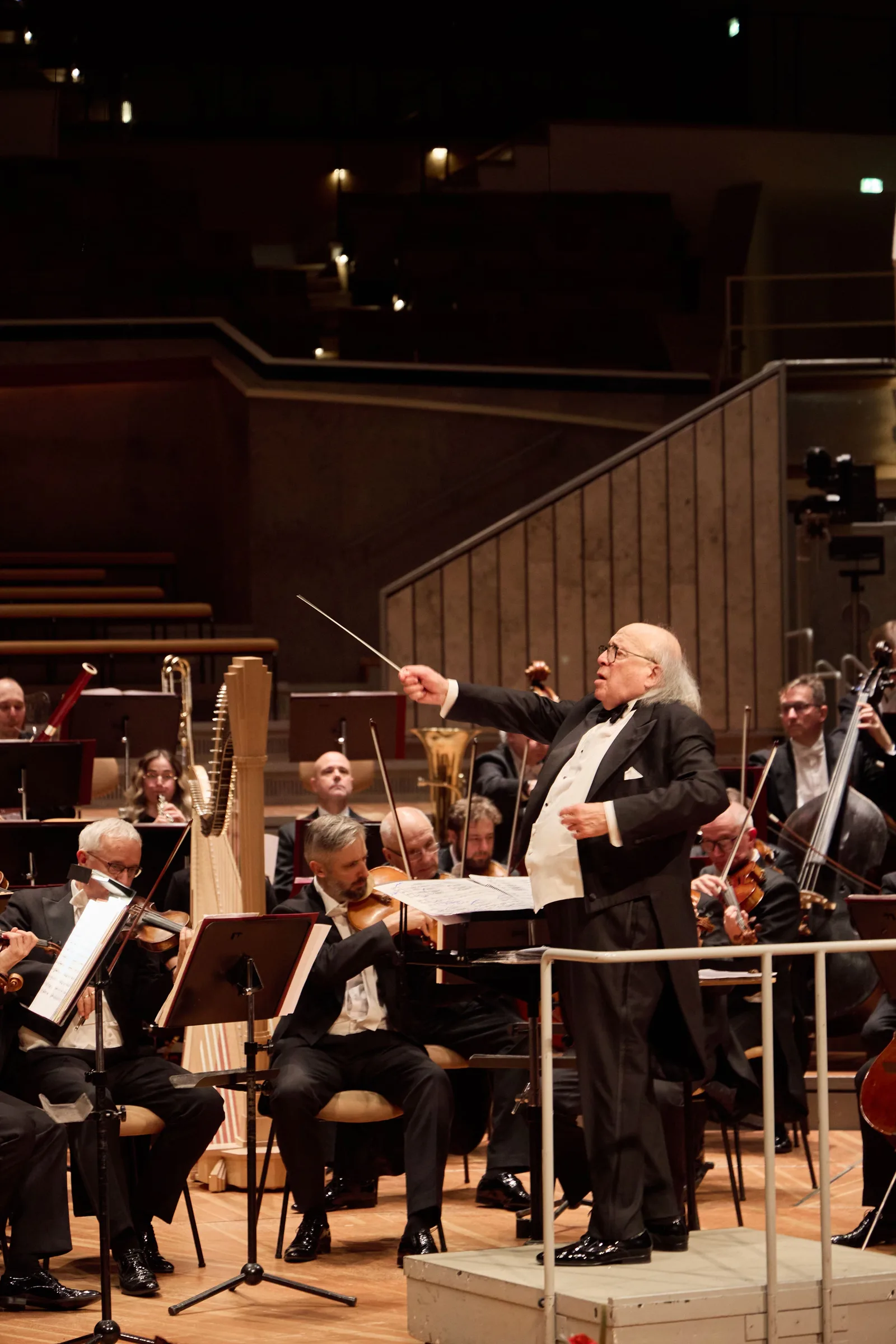 The musical balance of the evening was shaped by Maestro Professor Arkady Beryn. His conducting established a clear relationship between the solo voices and the orchestral texture, maintaining attention to phrasing, tempo and dynamic contrast. Rather than allowing the individual performances to exist in isolation, he created a cohesive musical progression throughout the concert. The Filharmonie Brno demonstrated considerable versatility in its contribution. Its rich sonority, precise ensemble playing and sensitivity to the vocal lines were complemented by independent orchestral works that expanded the programme beyond the arias and vocal numbers. The concert's collaborative dimension became especially apparent in the final vocal ensemble, when all three soloists performed Verdi's "Libiamo ne’ lieti calici" from La traviata. The evening concluded with the Polonaise from Tchaikovsky's Eugene Onegin, allowing the orchestra to take centre stage once more. The enthusiastic response of the audience, culminating in standing ovations, reflected the success of an evening that brought together different vocal traditions and artistic personalities. The OPERNGALA-NACHT offered a compelling demonstration of the continuing relevance of the operatic repertoire and the interpretative possibilities it provides for today's performers.