Brussels Turns Down the Baltics' 500 Million Euro Drone Defense Ask, Points to Loans Instead
The European Commission says it can't find the grant money Estonia, Latvia and Lithuania asked for to build a joint anti-drone system, and is steering the three countries toward the EU's SAFE borrowing scheme instead, which Lithuania has already begun tapping.
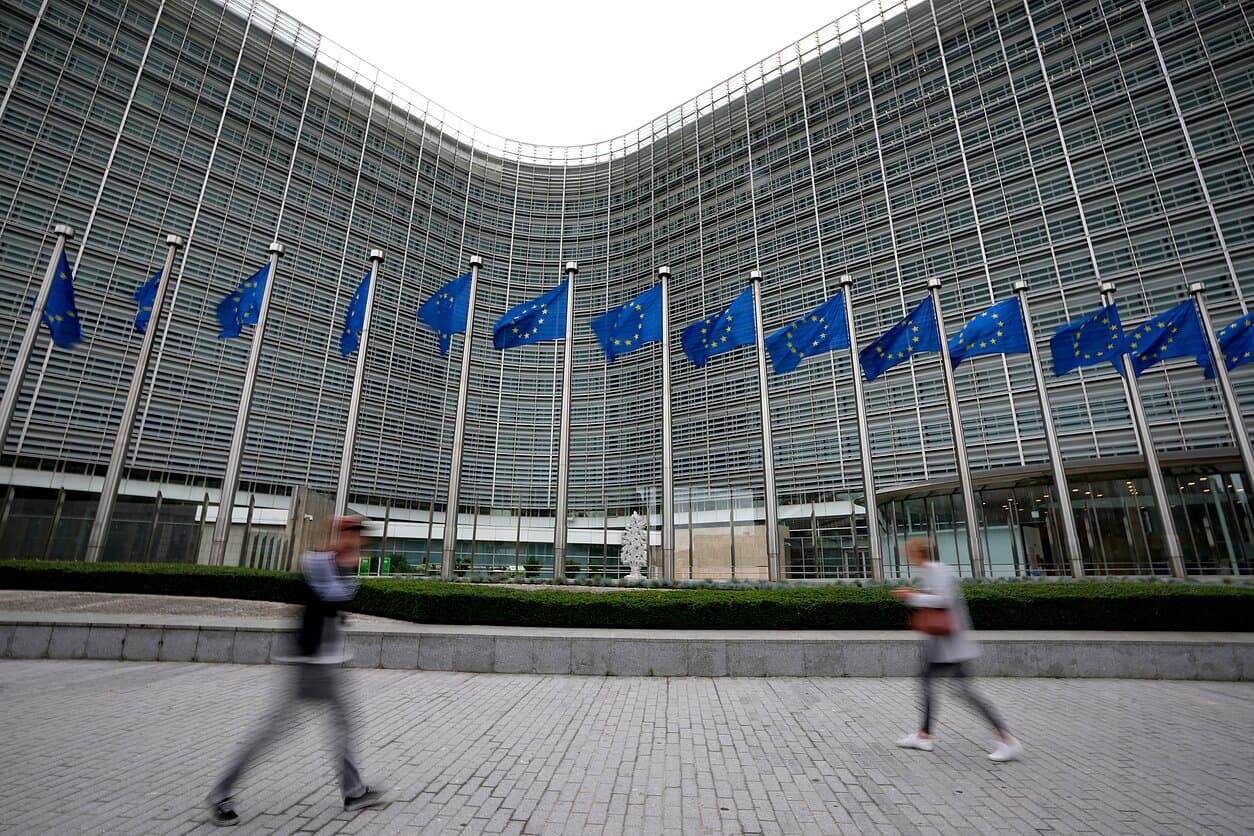
The European Commission has turned down a request from Estonia, Latvia and Lithuania for 500 million euros in direct funding to build an integrated anti-drone air defense system, telling the three Baltic states that current EU budget programs do not have the money to spare this close to the end of the funding period. The three countries' defense ministers, Martin Herem of Estonia, Raivis Melnis of Latvia and Robertas Kaunas of Lithuania, had written to Commission President Ursula von der Leyen in late September asking for emergency support to combine drone detection, artificial intelligence and interception technology into a shared system.
The request followed a string of drone incursions into Baltic airspace tied to the war in Ukraine, which the three governments have cited as evidence that existing air defenses are not keeping pace with the threat. The Commission has said it takes those concerns seriously, but its answer this week steers the Baltic states toward borrowing rather than a grant.
SAFE loans offered as the alternative
In place of the 500 million euros, the Commission pointed to SAFE, the Security Action for Europe instrument that offers up to 150 billion euros in favorable defense loans across the bloc, with repayment terms stretching as long as 45 years and advance payments of up to 15 percent. Lithuania has already started drawing on the program, submitting its first SAFE loan request worth 1.06 billion euros in October against a total allocation of 6.375 billion euros it can access under the scheme.
The decision lands with a particular edge given who delivered it: the EU's commissioner for defense and space, Andrius Kubilius, is himself Lithuanian, and has described SAFE more broadly as a significant step forward for the bloc's defense readiness. Whether a 45 year loan feels like an adequate answer to drones crossing Baltic borders in real time is a different question, one the three governments will now have to weigh as they decide how much of their SAFE allocations to put toward the same anti-drone system Brussels declined to fund outright.