
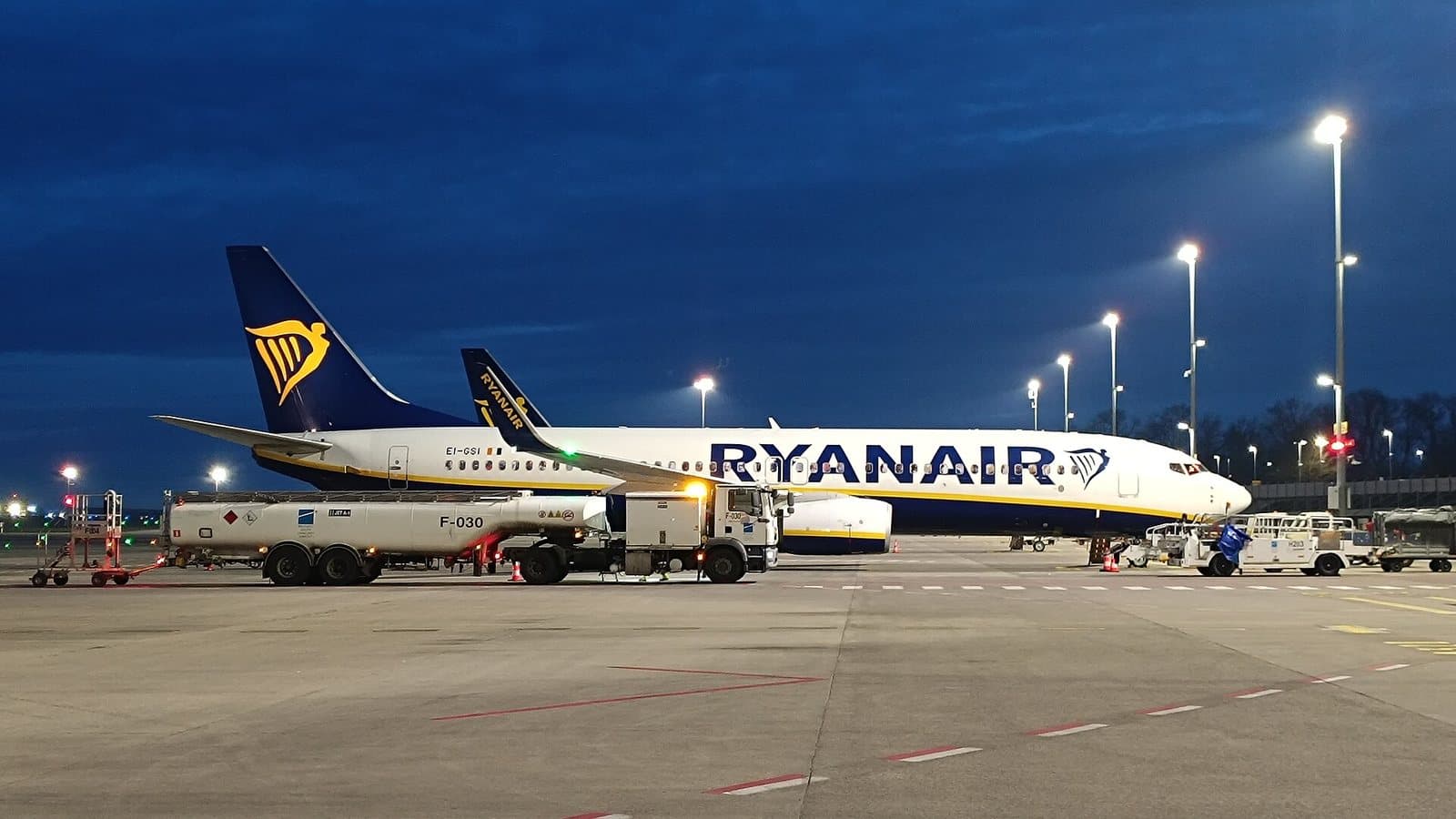
Three unions representing air traffic controllers at Brussels South Charleroi Airport filed a strike notice on 30 July for action beginning on 12 August. A conciliation meeting the following day ended with the notice suspended, talks continuing, and the parties due back at the table on 17 August. The dispute went from filed to shelved in roughly twenty four hours.
The claim itself is narrow and expensive. The unions want the night shift allowance raised by 60 percent, which would take it past a thousand euros per controller per night. Underneath the number is a rostering complaint rather than a pay one, with union representatives pointing to duty patterns as compressed as fifteen shifts in sixteen days.
The reason it collapsed so quickly is the calendar. Mid August is the peak of the leave season at an airport whose traffic is overwhelmingly low cost and overwhelmingly holiday. A strike then does not inconvenience business travellers who can move to a later flight. It strands families who have paid for a week, and the reputational cost of that lands on an airport competing for exactly those bookings against Zaventem and Eindhoven.
There is a structural point in who employs whom. The controllers work for skeyes, the Belgian air navigation service provider, not for the airport. The airport therefore absorbs the commercial consequences of a dispute it is not a party to and cannot settle, which is a permanent weakness for any regional airport whose case to airlines rests on reliability.
A suspension is not a settlement. The notice can be refiled, the underlying rostering complaint is unresolved, and 17 August is a date rather than an outcome. What both sides have bought is two weeks in which nobody has to explain themselves to a terminal full of people.