
The deputy governor of Antwerp province extended the ban on taking water from non-navigable waterways and public canals to the entire province on Tuesday, with effect from 6 August. It replaces a partial ban that had been running since 17 July and that already covered nearly all of the province. The two catchment areas that had been left out, the Antwerp-Stabroek polders and the Postelvaartje, are now inside it.
The way that reads matters more than the headline. This is not a new prohibition arriving all at once. It is the last two exemptions being withdrawn from one that has been in force for close to three weeks, which is what the tightening phase of a drought looks like from the inside. Water levels and flows have fallen, the forecasts show no meaningful improvement in the short term, and the province has run out of places where an exception can still be justified.
The ban applies to abstraction from non-navigable watercourses, meaning the smaller streams and beeks rather than the shipping canals, and to public canals. Anyone who was drawing from them has been told to use alternative sources. There is no end date attached: it runs until conditions improve, which puts the decision to lift it on the same evidence that drove the decision to widen it.
The people this lands on hardest are farmers, at the point in the season when it costs most. Field irrigation in August is what decides the yield on crops that have already had a full season of inputs spent on them, and a grower who cannot pump from the stream at the edge of the field is left with mains water, a tanker, or the loss. Nurseries, sports grounds and contractors sit in the same position with smaller stakes.
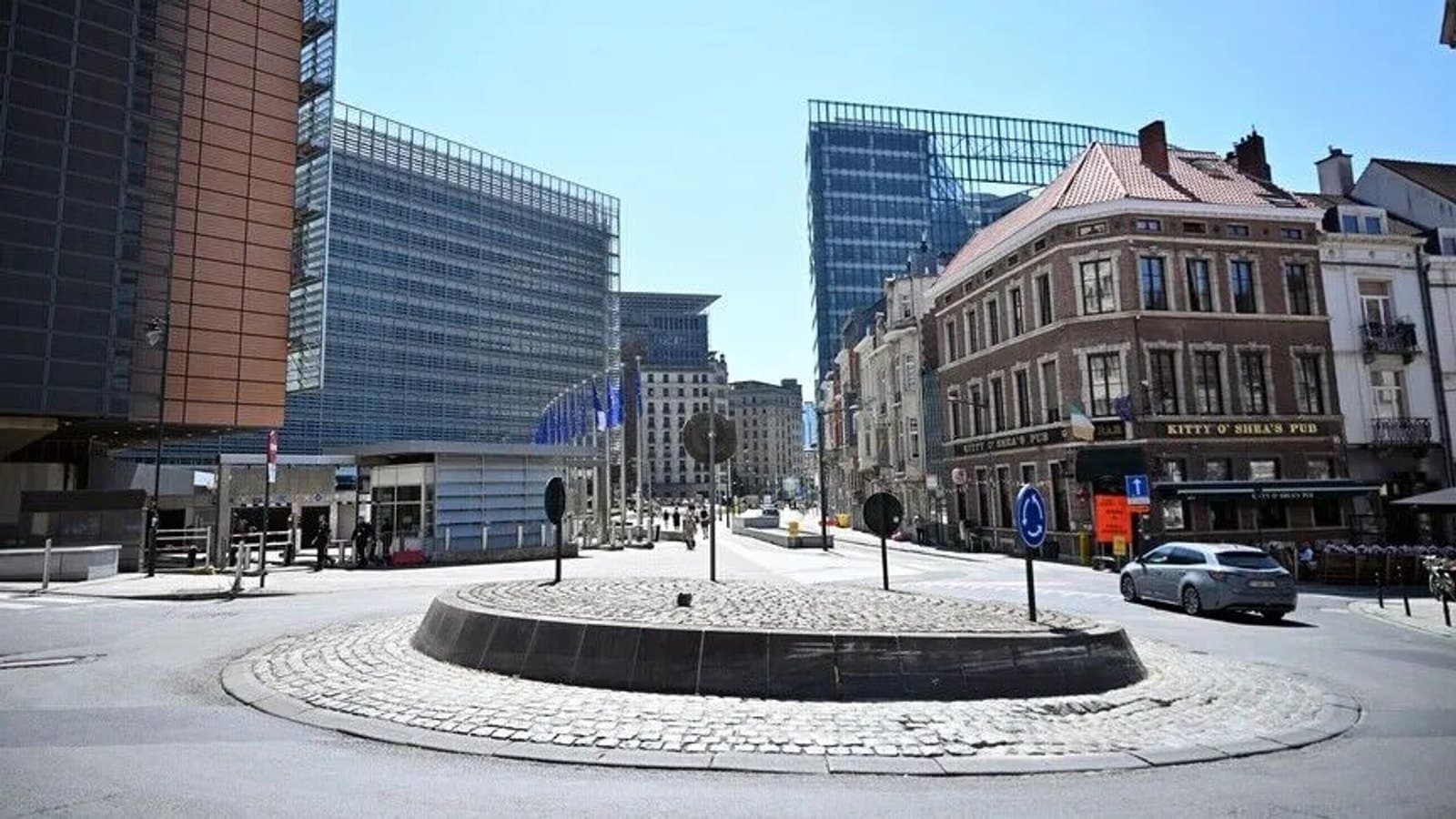
It also lands beside the Brussels measures from late July, where the capital region moved to drought vigilance and asked residents to stop washing cars and filling pools. The two are different instruments aimed at different users. Brussels asked households to change habits. Antwerp has removed a legal right to abstract from a watercourse, which is enforceable rather than advisory, and which tells you which of the two authorities is closer to the hydrological limit.
For a country whose water policy was engineered around having too much water, the striking thing is how routine this has started to look. A staged provincial ban, widened in steps, with named catchment areas coming into scope one at a time, is the behaviour of an administration that now expects to do this most summers.