
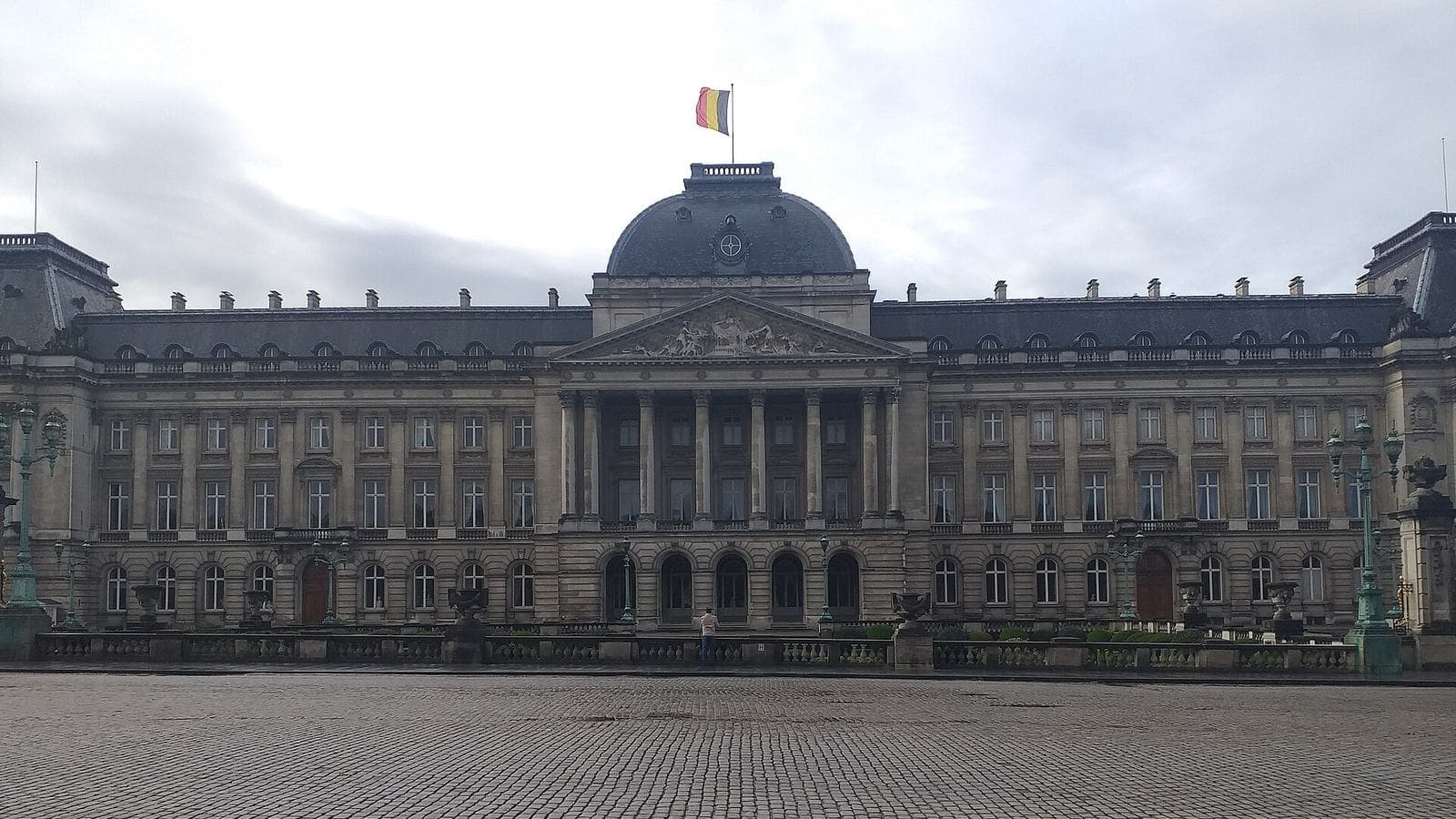
The Belgian constitution builds the monarchy on a single principle: the King's person is inviolable and his ministers are responsible. Nothing the monarch does has legal effect unless a minister countersigns it, which means the sovereign holds no independent power over legislation, appointments or policy. On paper the role is entirely ceremonial.
In practice there is one moment when it is not. After a federal election the King consults the party leaders and appoints an informateur to establish which coalitions are arithmetically and politically possible, and then a formateur to negotiate one and become, in most cases, prime minister. In a country where a majority requires parties from two separate electoral systems that have never faced the same voters, choosing who is asked to try is a real decision with real consequences.
The power is soft and it is bounded. The King cannot impose a coalition, and every appointment he makes is countersigned by an outgoing prime minister who remains responsible for it. What he can do is sequence the attempts, decline to end a mission that is making progress, or end one that is not. During the long formations of the last two decades those choices shaped the order in which options were tested, which in a negotiation of that length is not a small thing.