
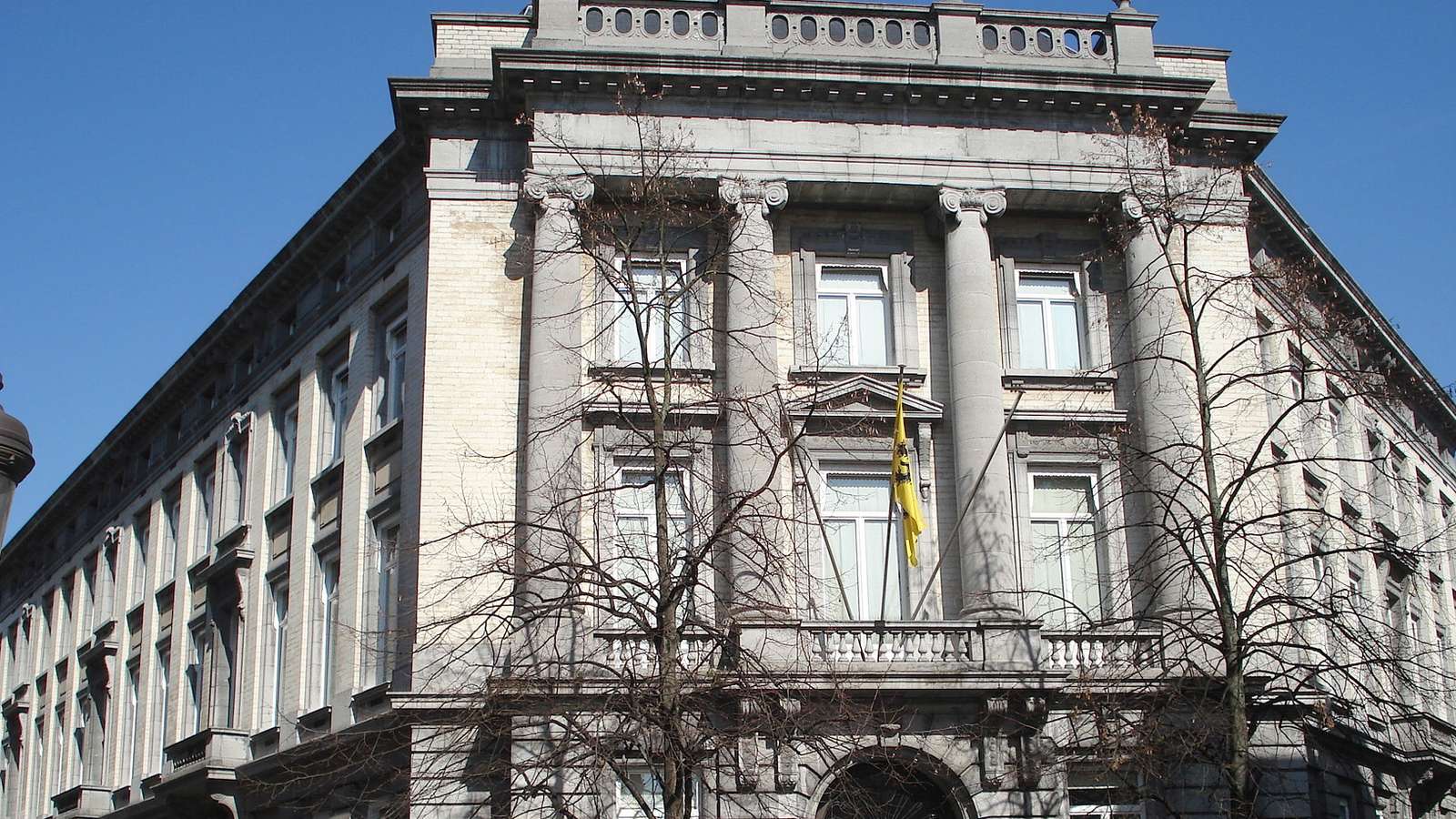
Belgium became a federal state formally in 1993, at the end of a sequence of reforms that began in 1970. What it produced is not the tidy map federalism usually implies. There are three regions, defined by territory: Flanders, Wallonia and Brussels-Capital. There are also three communities, defined by language: Flemish, French speaking and German speaking. They overlap, and they are not subdivisions of each other.
The split follows a real disagreement about what devolution was for. Flemish demands were largely cultural, concerned with language, education and broadcasting, which suits a community defined by the people who speak a language wherever they live. Walloon demands were largely economic, concerned with industrial policy and employment in a region whose heavy industry was declining, which suits an entity defined by territory. Rather than choose, the country built both.
Flanders then simplified its own half by merging its region and its community into a single parliament and government sitting in Brussels. The French speaking side did not, which is why Wallonia and the French Community remain distinct institutions with separate competences, and why a Brussels resident can be governed by a regional body for transport and a community body for schools.