
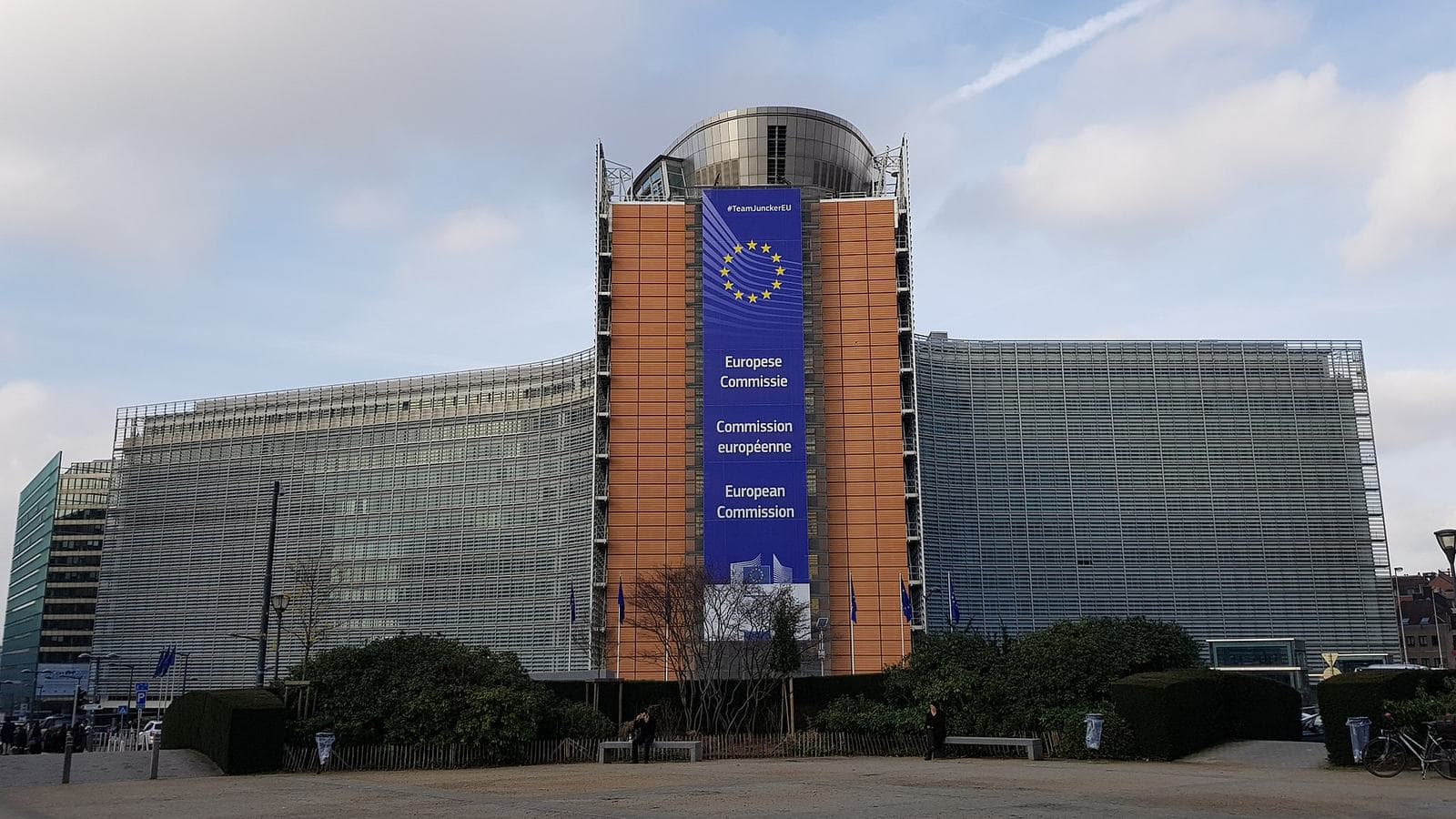
The institutions did not plan to be where they are. The European Economic Community set up in Brussels provisionally in the late 1950s, offices spread into the residential Leopold quarter, and the provisional arrangement hardened into the Berlaymont, the Council's Europa building, the Parliament's complex at Espace Leopold and the several dozen office blocks around them.
What that produced is a district with a working population comparable to a mid-sized town, which empties in the evening and at weekends. Nineteenth century townhouses were demolished for offices during the decades when that was normal, and the result is a piece of central Brussels that residents of the city largely do not use. Belgians have a word for the phenomenon, and it is not a compliment.
The last two decades have been spent trying to reverse it. Regional planning policy pushes for housing and ground floor retail in new developments, some office buildings have been converted, and the rue de la Loi axis has been repeatedly redesigned to make it less of a motorway. Progress is real and slow, because the buildings are large, the leases are long, and the institutions are demanding tenants with security requirements that sit awkwardly with a lively street.
The governance problem underneath is that nobody is fully in charge. The Belgian federal state hosts the institutions, the Brussels region controls planning, the commune of Brussels and Ixelles control local decisions, and the institutions themselves are major landlords and clients that have to be negotiated with rather than instructed. A single decision about a single street can require all of them to agree.
There is a straightforward economic argument for persisting. The quarter is the main reason a mid-sized European capital hosts a large population of highly paid international workers, and a district that stays alive in the evening captures more of that spending locally. It is also the main reason Brussels is on the itinerary of every lobbyist, law firm and trade association in Europe, which is a durable industry in a way that few others are.