
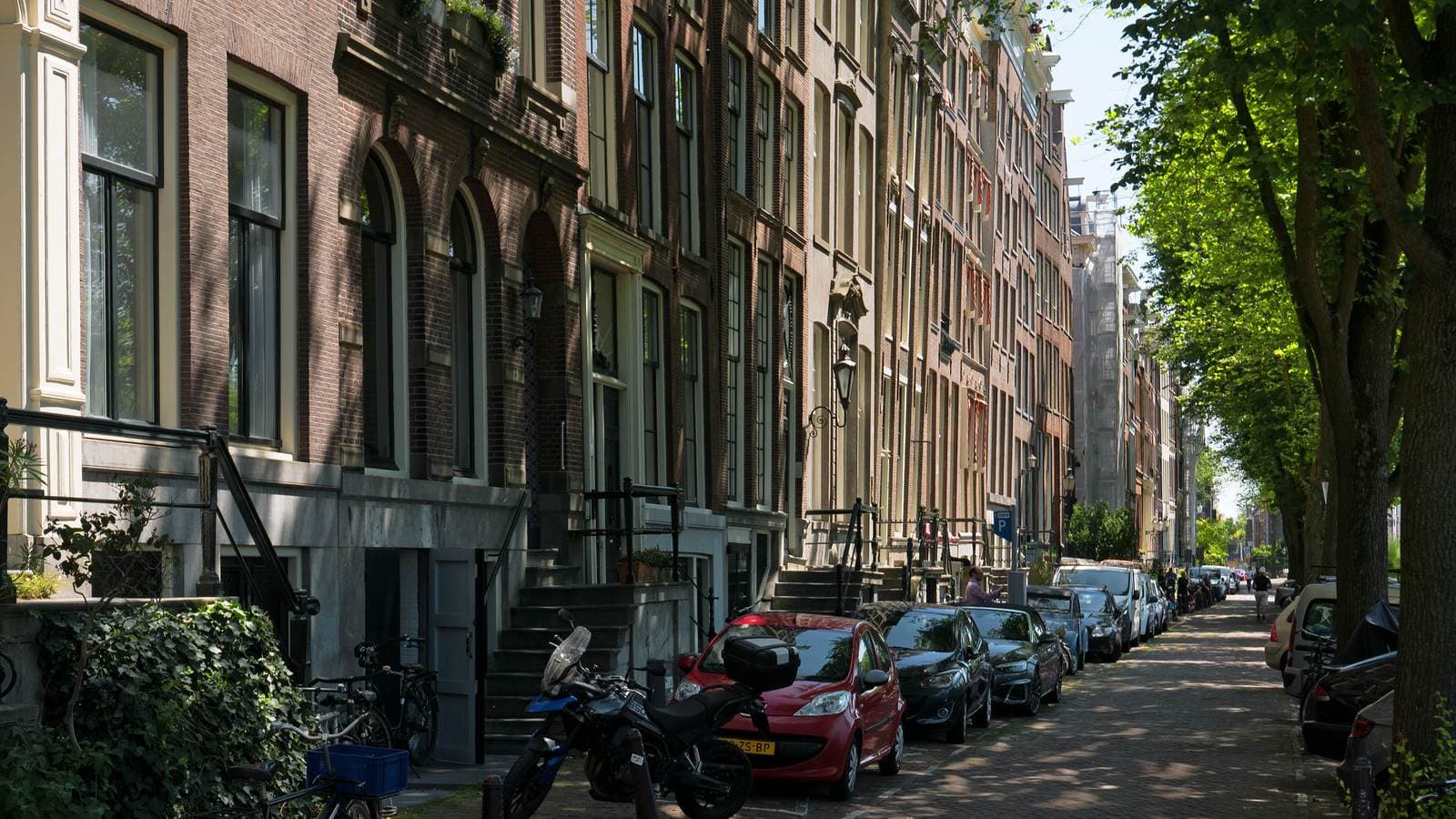
The 2026 European Urban Resilience Forum met in Guimaraes, in northern Portugal, from 17 to 19 June, and what was presented there was reported at the end of July. Seven projects funded through the European Union's LIFE programme set out their plans for cooling and draining specific cities. There is no framework directive here, no headline fund, and no summit language. There are seven places and a list of physical interventions.
The most concrete is COOLIFEALMADA, in Almada, across the Tagus from Lisbon, which is aiming to bring the city centre down by as much as three degrees. The method is a stack of small measures rather than one large one: microforests along a green corridor of half a kilometre, additional planting, heat reflective road surfaces, trials of green roofs and facades, shade netting and micro sprinklers. Its project manager at Almada Municipality, Diana Henriques, has described the approach as deliberately multi dimensional, spanning environment, public health, planning and social resilience.
The others split between measuring and draining. LIFECOOLCITY is using satellite data to map green space and water and work out what each is actually worth in degrees. LIFE LATESTadapt is building buffer ponds in Estonia and Latvia. LIFE FLOPRES is developing a flood early warning system for Slovakia and Poland built on nature based solutions. LIFE ASAP is working with WWF through the One Planet City Challenge.
The context makes three degrees sound like a rounding error. The forum sat during a heatwave across western Europe that reached 41 degrees and touched something on the order of a hundred million people, and researchers have attributed a death toll in the tens of thousands to it. Against a number like that, half a kilometre of trees in one Portuguese city is not obviously a response.
It is, though, and the reason is where those degrees land. Urban heat is not distributed evenly across a city. It concentrates in the densest, hardest, least planted districts, which are also the districts with the oldest housing stock, the least air conditioning and the highest share of people who cannot leave. Three degrees off a city centre is not three degrees off a continent. It is the difference between a survivable night and a dangerous one for the specific streets where the deaths occur.
That is worth reading from Brussels for two reasons. The money and the rules are decided here, and the city is exactly the dense, hard surfaced, thinly planted type these projects are designed around. What is being tested in Almada is a template that will be argued over in the European quarter long before it is planted in it.