
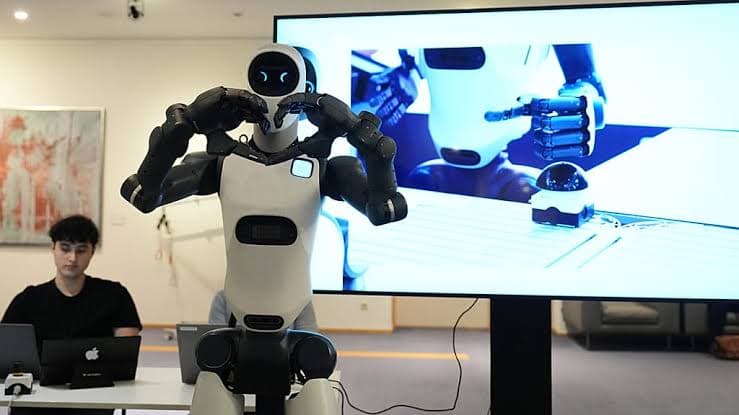
Humanoid robots spent an afternoon inside the European Parliament in Brussels this week, waving, handling small objects and demonstrating a range of walking styles for an audience of lawmakers and staff.
The showcase was framed less as a novelty act than as a preview of where Europe hopes robotics can help offset a shrinking, ageing workforce. Researchers on hand said humanoid machines could eventually take on factory tasks without major changes to existing production lines, though they were careful to stress that the technology remains largely experimental for now.
Better eyes, steadier hands
Much of the demonstration focused on how artificial intelligence is improving the robots' ability to read their surroundings and handle objects, allowing them to work alongside people and adjust as conditions around them change. Developers said those gains in perception and dexterity are what is gradually pushing humanoid robots from lab demonstrations toward more practical, real world use.
Holding the event inside the Parliament itself was a deliberate choice, putting the technology directly in front of the people who will eventually help decide how it is regulated and funded across the bloc, at a moment when robotics is increasingly framed in Brussels as part of the answer to Europe's demographic and labour pressures.