
NATO's political headquarters sit at Evere, on the northern edge of Brussels. They are there because France withdrew from the integrated military command in 1966 and the alliance had to leave Paris. Belgium offered a site, the move happened in 1967, and what began as an emergency relocation has now lasted the better part of six decades.
The alliance moved into a purpose built headquarters across the road in the second half of the 2010s, replacing a complex that had been intended as temporary and served for fifty years. That building is where the North Atlantic Council meets, where every member state keeps a permanent delegation, and where the secretary general works. The military command structure is elsewhere, principally at Mons, which hosts Supreme Headquarters Allied Powers Europe.
For Belgium the arrangement is unusually valuable. Hosting an alliance headquarters puts a small country in the room for decisions far above its weight, gives its diplomats permanent proximity to thirty odd allied delegations, and makes Brussels the natural venue for a category of summit that would otherwise rotate. Combined with the European institutions it is the reason a country of eleven million operates a diplomatic corps sized for a much larger one.
It comes with obligations that are less comfortable. A host state is expected to be a credible contributor, and Belgian defence spending has for years sat below the alliance target, a gap that is raised in public by allies and that no Belgian government has found politically easy to close. Hosting the table does not exempt a country from what is discussed at it.
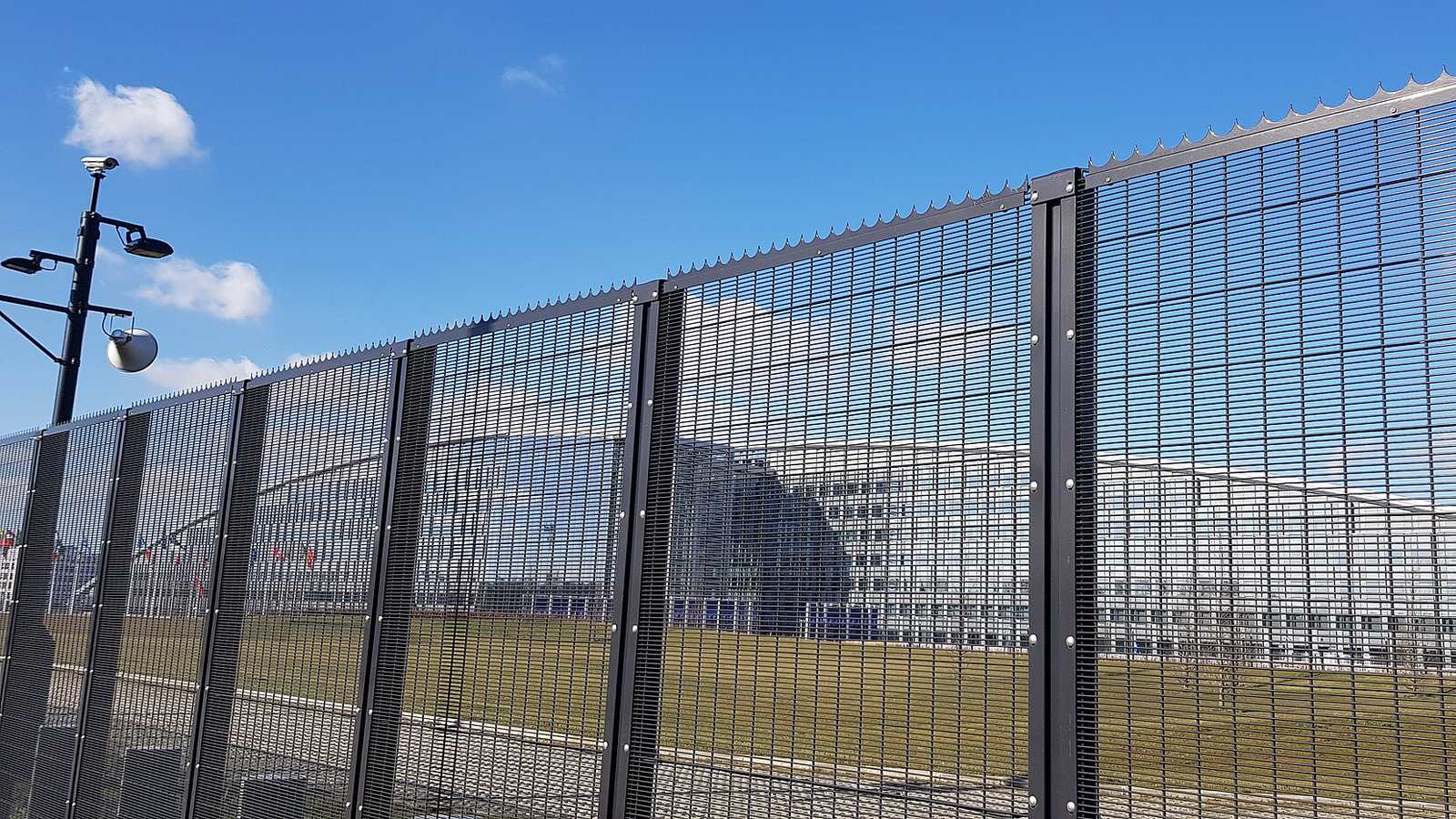
There is also a security dimension that rarely makes the news. Protecting a permanent headquarters, the delegations attached to it and the summits it hosts is a standing commitment for Belgian police and intelligence services, and the cost sits on a national budget while the benefit is shared across the alliance. That is the deal a host state takes, and it is a reasonable one.