
The phrase ninth art is used without irony in Belgium, and the reason is industrial rather than sentimental. Between the 1930s and the 1960s a cluster of studios, magazines and publishers based in and around Brussels produced a body of work that shaped European comics as a medium: Tintin, begun by Herge in 1929 in a newspaper supplement, Lucky Luke by Morris, Spirou under Franquin, the Smurfs by Peyo.
What made that possible was the weekly magazine. Tintin and Spirou were serialised week by week, which gave artists a stable income, a rigid deadline and a page format to work in. The clear line style associated with Herge and the looser tradition around Spirou both developed inside those constraints, and the studios trained a generation of assistants who went on to run their own series.
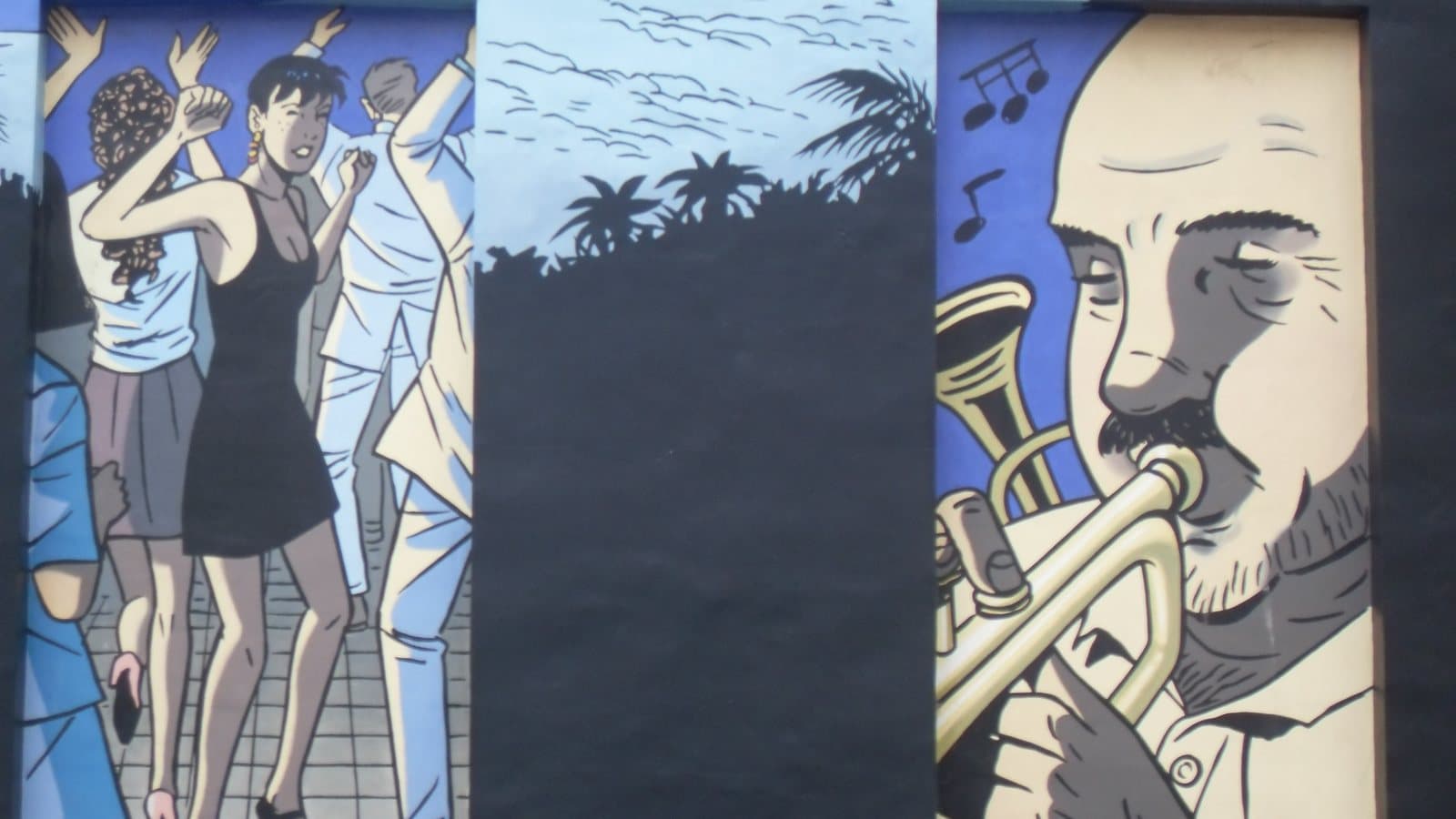
The physical legacy is concentrated in Brussels. The Belgian Comic Strip Center opened in 1989 in a former textile warehouse designed by Victor Horta, which is a fair summary of the city's two main exports occupying the same address. Dozens of painted comic murals are scattered across the centre, a walking route in their own right, and specialist bookshops survive in numbers that would be unusual anywhere else.