
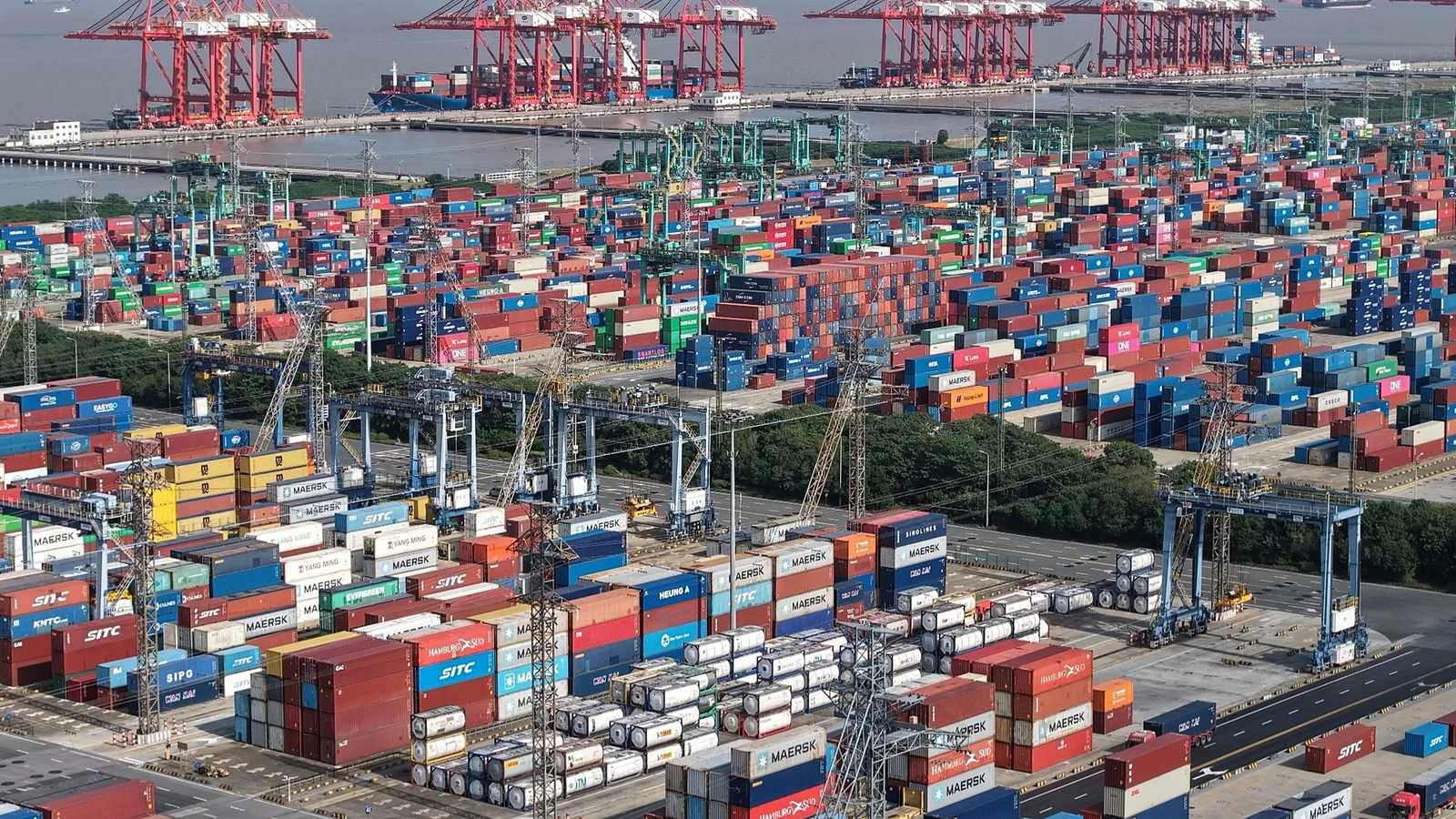
Brussels' trade dispute with Beijing has a geography problem, and it is playing out in Morocco and Turkey rather than in China itself. Chinese firms have invested around six billion dollars in Morocco and two billion in Turkey over the past four years, according to figures reported this week, concentrated in electric vehicles and batteries, battery materials, automotive components, home appliances, solar panels, glass fibre and aluminium wheels. Both countries already have preferential access to the EU market that China does not: Morocco through an association agreement, Turkey through a customs union, and goods finished there can move into the EU without the tariffs that would apply if they came directly from a Chinese factory.
None of this requires anyone to break a rule. Investing in a country with an existing trade agreement and exporting from there is a legal structure, not a loophole in the technical sense, which is exactly what makes it difficult for the European Commission to answer with a tariff. A duty aimed at Chinese-owned production in Morocco would also catch Moroccan-owned production in the same sector, and an agreement negotiated with Rabat is not a lever Brussels can pull against a company sitting inside it.
The Commission is not starting from nothing. Trade defence tools already exist and have been used on specific products from this general direction: anti-dumping duties on glass fibre fabrics in 2020, a finding of tariff circumvention on the same product category in 2022, and countervailing duties on Moroccan aluminium road wheels in 2025. Anti-subsidy duties on Chinese electric vehicles arrived in 2024. What is different now is the scale and the breadth of sector, moving from single product rulings to a pattern spanning EVs, batteries, solar and general manufacturing at once.