
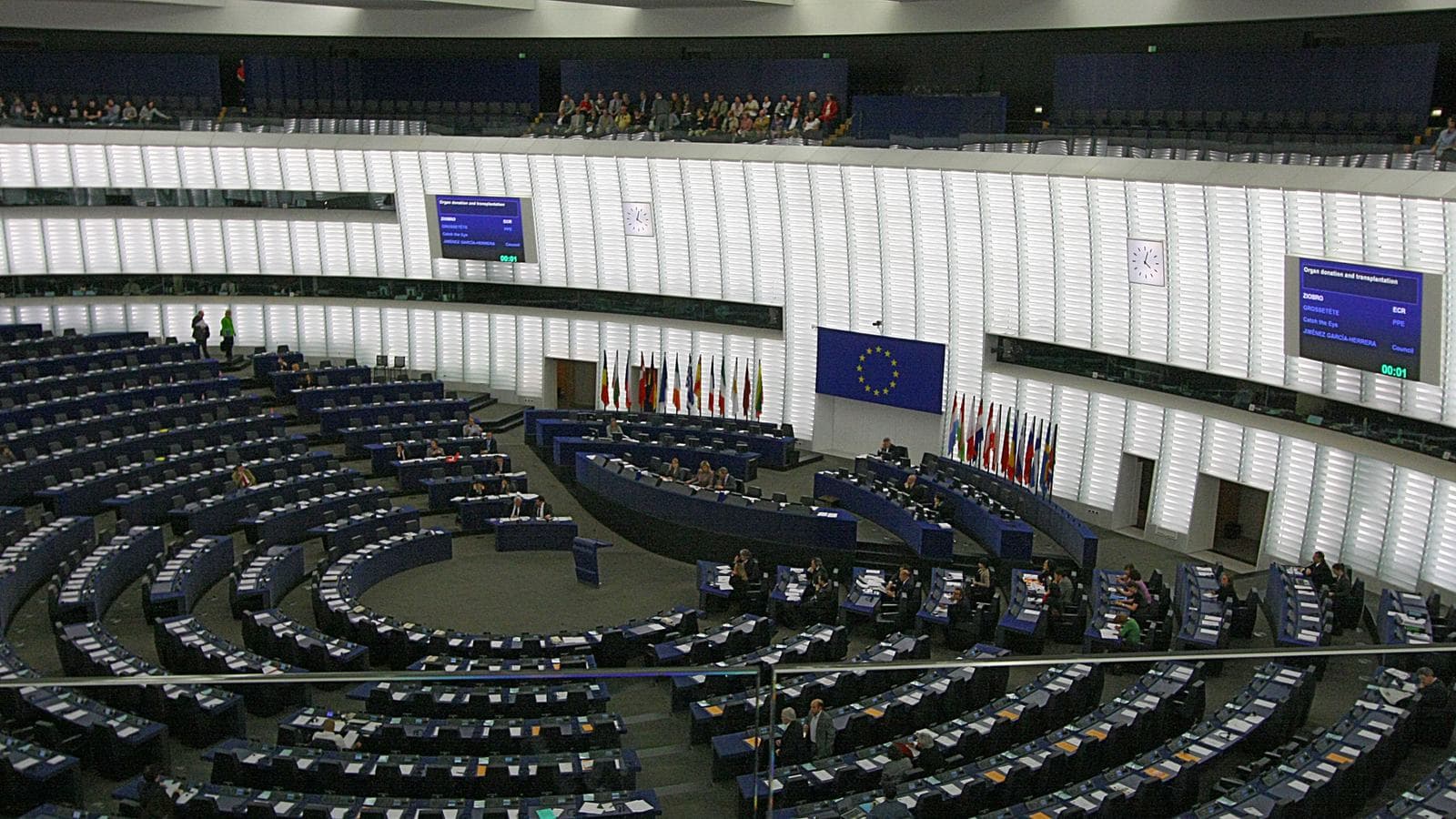
The European Parliament works across three cities. Its committees and political groups meet in Brussels, twelve plenary sessions a year are held in Strasbourg, and its secretariat is based in Luxembourg. Twelve times a year a substantial part of the institution moves several hundred kilometres, works for four days, and moves back.
The arrangement is not an administrative preference that officials could revisit. The seats of the institutions are fixed in a protocol annexed to the treaties, which means changing them requires the agreement of every member state. France regards the Strasbourg seat as a matter of national and symbolic importance, having hosted the assembly since its earliest days and treating the city as the emblem of postwar reconciliation. One government's veto is sufficient, and one government has consistently indicated it would use it.
Parliament itself has voted repeatedly for a single seat, and the arguments it makes are practical: the cost of the monthly move, the travel time, the environmental footprint, and the difficulty of running committees in one city while plenary sits in another. Those arguments have never been seriously contested on the facts. They simply do not reach the question, because the decision does not belong to Parliament.