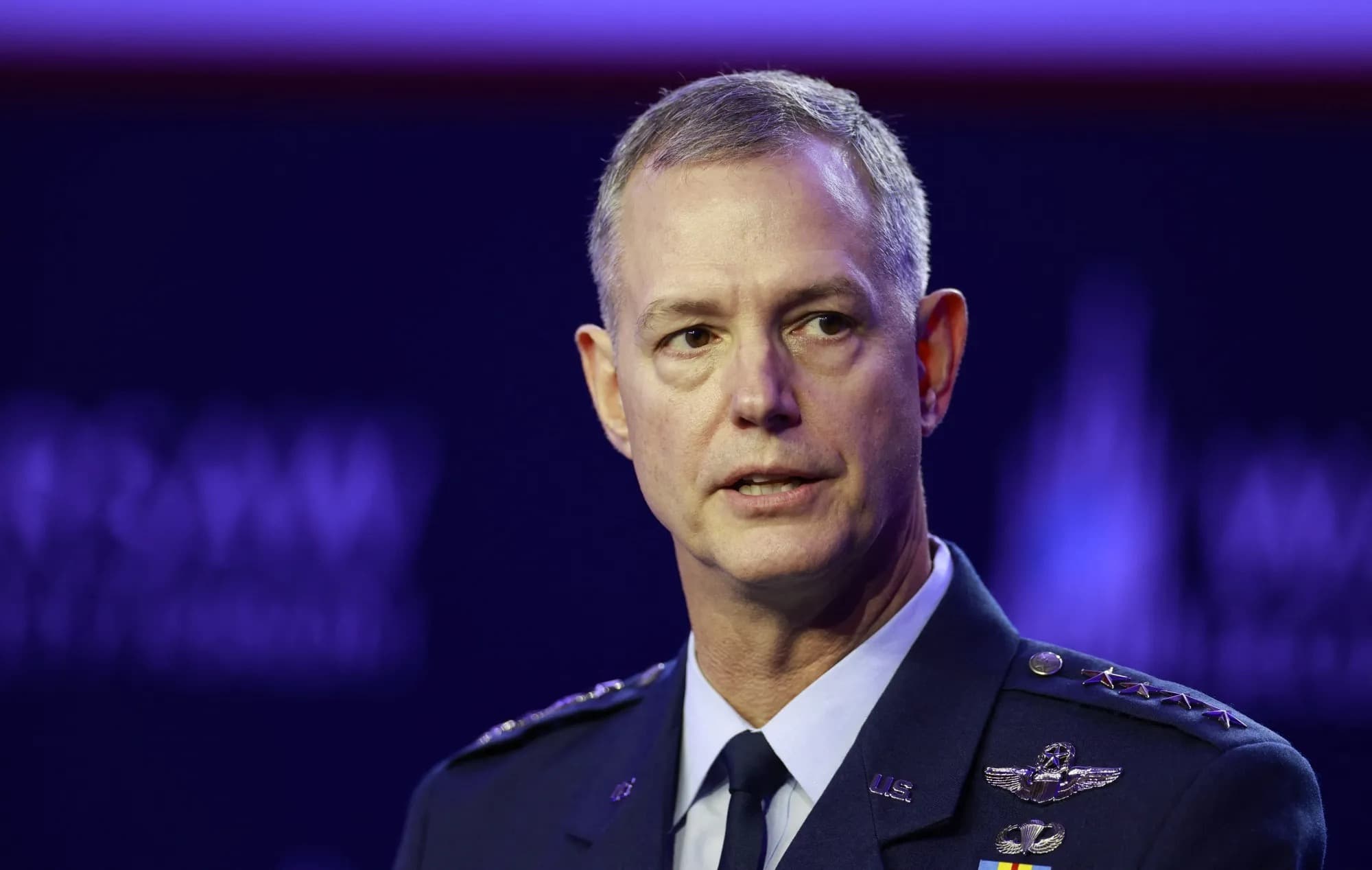
NATO's Top Military Commander Says Patriot Deliveries to Ukraine Are Not Being Held Up
General Alexus Grynkewich told reporters in Riga that nothing European allies have paid for through NATO's weapons purchasing program has been delayed, pushing back on fears that Washington would slow Patriot shipments until after next week's US midterm elections.
NATO's top military commander, General Alexus Grynkewich, said Friday that the United States has not held up any Patriot air defense deliveries to Ukraine that European allies paid for through the alliance's weapons purchasing arrangement, speaking to reporters in Riga. Everything has been delivered, he said, noting that a shipment had arrived within the past week alone.
Grynkewich, who serves as NATO's Supreme Allied Commander Europe from the alliance's headquarters in Brussels, said specifically that nothing included in the PURL package paid for by European allies has been delayed. PURL is the NATO led mechanism that lets member countries fund American weapons for Ukraine rather than waiting on direct US aid decisions, and it has become the main channel through which Patriot interceptors and other air defense equipment have continued reaching Kyiv.
Denial follows weeks of concern over a possible slowdown
His comments were aimed at concerns that built through October, when NATO allies worried Washington might quietly slow Patriot transfers until after the November 3 US midterm elections. Those fears centered partly on reports of a near month long wait for Defense Secretary Pete Hegseth to sign off on Patriot and NASAMS missile transfers, a bottleneck that fed suspicion in Kyiv that deliveries already paid for were being deliberately delayed.
Grynkewich's account does not fully resolve that dispute, since a commander confirming that funded shipments have moved on schedule does not address whether earlier approvals were slower than allies expected. But coming from the officer responsible for coordinating NATO's own air and missile defenses, based a short drive from the EU institutions in Brussels, the statement carries weight for European governments trying to gauge how reliable the pipeline keeping Ukraine's skies defended actually is.